Green Gram (Moong / Mung Bean)
Machine-Cleaned & Sortex Quality | High Sprouting Rate | Bulk Wholesale & Export
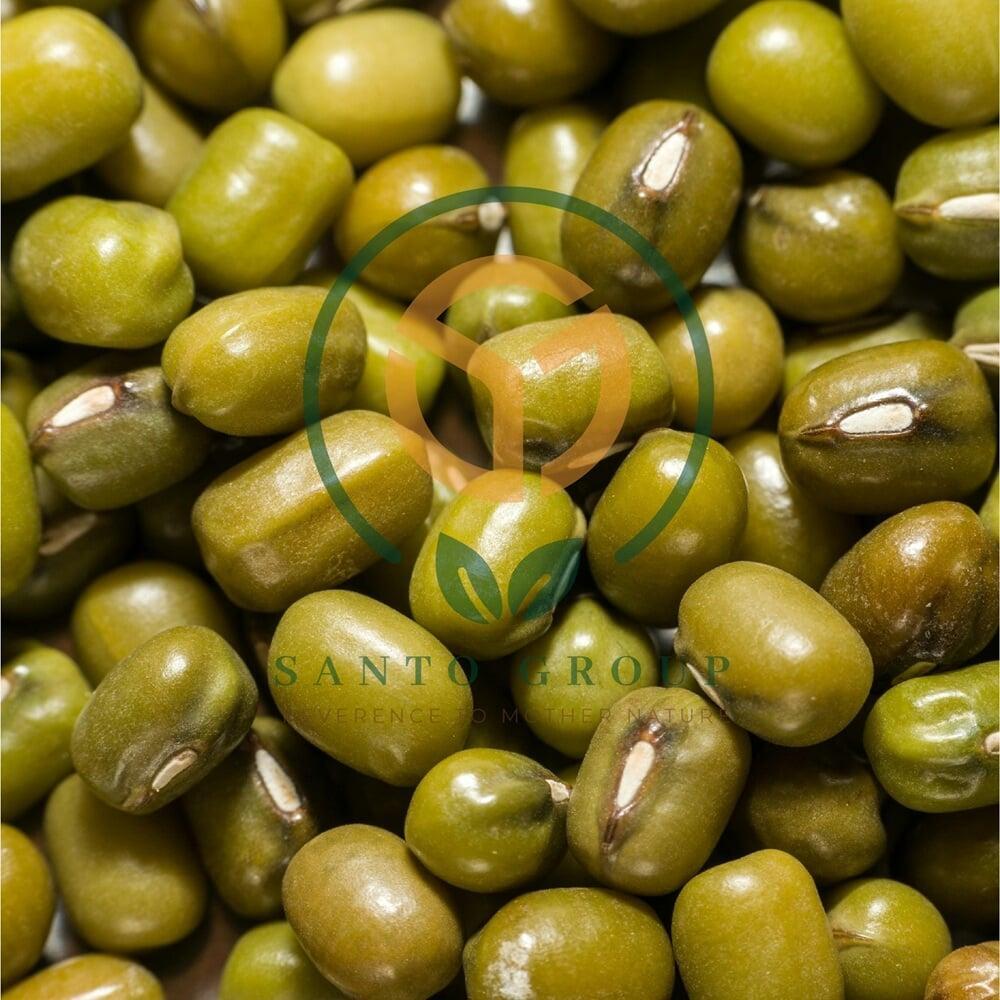
*Images & videos are for illustration only; actual products may vary in appearance, color, & size.
Botanical Name: Vigna radiata
Other Name(s): Moong, Mung Bean, Golden Gram etc.
Product Overview
Green Gram (Vigna radiata), globally traded as Mung Bean and known domestically as Moong, is a highly digestible legume prized for its rapid cooking and nutritional profile.
Santo Group exports premium Green Gram sourced from the arid belts of Rajasthan, which produces the highest quality beans with superior sprouting viability. We specialize in Sortex-cleaned Moong in all three forms: Whole Green (Sabut), Split Green (Chilka), and Yellow Split (Mogar/Dhuli). Whether for sprouting, namkeen manufacturing, or retail packaging, we provide consistent, stone-free quality for global wholesale.
Product Description
Key Quality Indicators
- High Germination Rate: Our "Whole Unpolished" grade is untreated with heat, ensuring a 95%+ sprouting rate—ideal for the fresh salad and health food industry.
- Uniform Size & Color: Sourced from Rajasthan (Nagaur/Jodhpur belt) for a bold green color and uniform grain size, free from shriveled beans.
- Sortex Purity: Processed to remove hard beans ("Kokru"), stones, and dust, ensuring a purity level of 99% to 99.9%.
Industrial Applications
Our bulk Green Gram is a staple raw material for:
- Sprout Production: High-viability whole beans for fresh bean sprout cultivation.
- Snack Industry (Namkeen): The primary ingredient for "Moong Dal Namkeen" (Fried salted snack).
- Canned Soups: Used in ready-to-eat soups and curries due to its quick-cooking nature.
- Starch & Noodle Manufacturing: Mung bean starch is the key ingredient for transparent "Cellophane Noodles" (Glass Noodles).
Product Specifications
| Technical Specifications | : | Details |
|---|---|---|
| Botanical Name | : | Vigna radiata |
| Varities | : | Whole Green / Split Green (Chilka) / Yellow Split (Mogar) |
| Primary Origin | : | India (Rajasthan / Madhya Pradesh) |
| Quality | : | SQ (Sortex Quality) / FAQ (Fair Average Quality) |
| Protein Content | : | ~24% |
| Admixture | : | Max 0.5% - 1% |
| Moisture | : | Max 10% - 12% |
| Damaged / Split | : | Max 0.5% - 1% |
| Sprouting Viability | : | >95% (For Raw/Unpolished Grade) |
| Shelf Life | : | 12 months (Stored in a cool, dry place) |
*As these are general specifications and actual specifications may vary.
Packing and Packaging
| Particulars | : | Details |
|---|---|---|
| Packing Size | : | 25 | 30 KGS |
| Packaging | : | PP Bags | 1 Metric Ton Jumbo Bags (Tote Bags) |
| MOQ | : | 50 KGS |
| Sample* Size(s) | : | 1 | 5 | 10 | 25 KGS |
| Documentation | : | COA, Phytosanitary Certificate, Origin Certificate |
| Customization | : | Availability based on offered options. |
*Paid Samples Only.
Frequently Asked Questions
1. What are the different forms of Moong you supply?
Answer: We supply three main types:
- Whole Moong: The intact green bean (used for sprouts/curry).
- Moong Chilka: Split bean with the green skin retained (high fiber).
- Moong Mogar (Yellow): Skinned and split yellow bean (used for desserts and easy-to-digest soups).
2. Is your Moong suitable for sprouting?
Answer: Yes. You must request our "Unpolished Raw Grade." Polished moong (processed with oil or water) may have lower germination rates. Our raw grade guarantees excellent sprouting.
3. What is the difference between Rajasthan and other origins?
Answer: Rajasthan Moong is considered the premium standard in India. The arid climate produces a smaller but harder, greener, and tastier bean that holds its shape better during cooking compared to softer varieties from wetter regions.
4. Do you offer Polished Moong?
Answer: We focus exclusively on Unpolished (Raw) Moong to ensure maximum nutritional value and sprouting viability, which is preferred by health-conscious markets.
5. How do you prevent weevils?
Answer: Like all pulses, Moong is susceptible to pests. We ensure strict Fumigation before loading and provide a Fumigation Certificate. We recommend storing the product below 20°C to maintain shelf life.